Charting Financial Pathways That Connect App-Based Machine Entertainment With Real-Time Host Encounters and Ascending Reward Structures
Written by Parker Russell · Jun 20, 2026
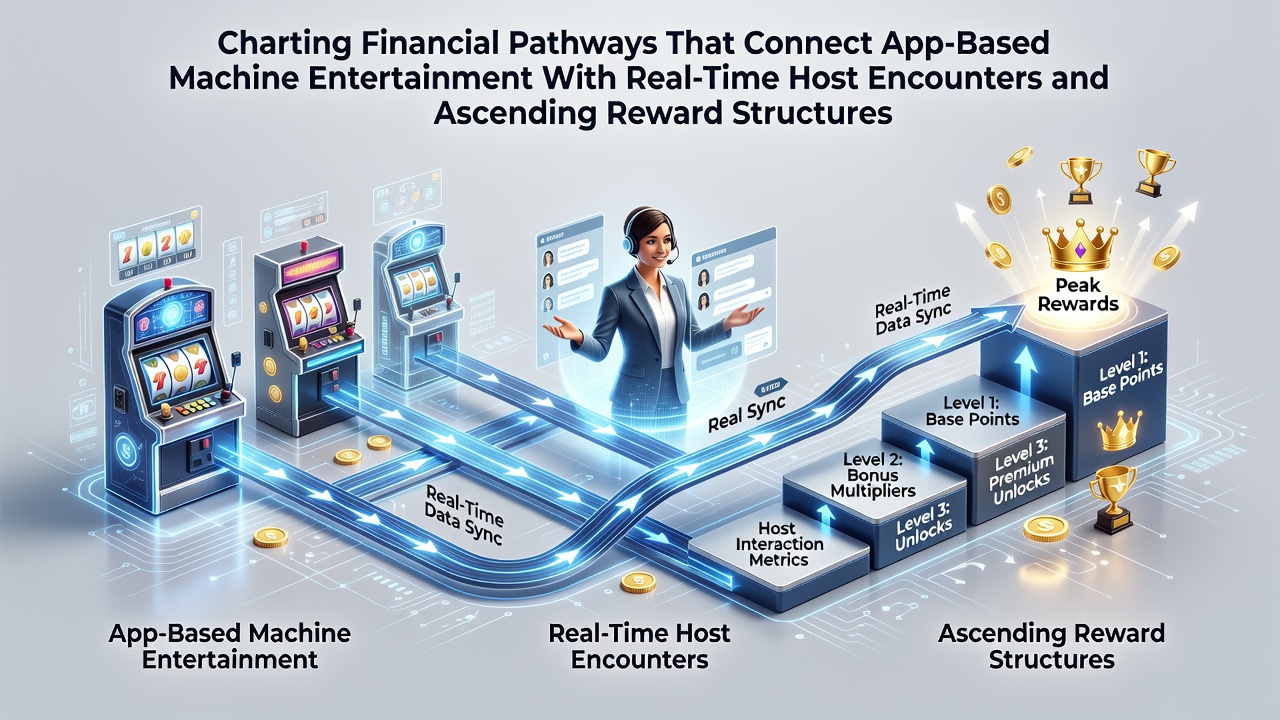
Charting Financial Pathways That Connect App-Based Machine Entertainment With Real-Time Host Encounters and Ascending Reward Structures
App-based machine entertainment forms the entry point for many participants who engage with digital slot interfaces through mobile platforms, and these systems often integrate directly with payment mechanisms that support transitions into live dealer environments. Financial pathways emerge when initial deposits or bonus activations trigger sequences that allow users to move from automated reel spins toward real-time interactions with hosts, while simultaneously accumulating metrics that feed into tiered reward programs.
Data released in June 2026 from regulatory bodies in multiple jurisdictions shows sustained growth in cross-format participation, where mobile slot sessions frequently precede funded live table activity. Observers note that payment processors and bonus structures act as connectors, enabling seamless transfers between these entertainment modes without requiring separate account setups in many cases.
Foundations in App-Based Machine Entertainment
Mobile applications deliver machine entertainment through algorithms that simulate physical reels and bonus rounds, and these platforms typically incorporate no-deposit mechanisms or matched funding options that establish initial balances. Research from the American Gaming Association indicates that such entry-level features account for a measurable share of first-time engagements across state-licensed operators in the United States, where digital wallets facilitate instant crediting and subsequent play.
Participants often begin with automated gameplay that tracks spin volume, wager totals, and session duration, all of which generate data points later referenced during reward evaluations. These metrics travel along the same financial rails used for deposits, creating continuity when users decide to allocate funds toward live sessions.
Transitions to Real-Time Host Encounters
Live dealer interfaces introduce human interaction layers that replace algorithmic outcomes with physical card or wheel handling streamed in real time, and financial systems must accommodate variable bet sizing along with potential side wagers not present in machine formats. Payment accelerators such as e-wallets or instant bank transfers support these shifts by moving balances between account sections without extended processing delays, according to industry reports compiled by regulatory agencies in New Jersey.
One documented pattern involves players completing a series of qualifying spins on mobile devices before redirecting remaining credits into dealer-hosted tables, where host greetings and table dynamics replace solitary screen interactions. This movement relies on unified ledgers that recognize prior activity and adjust available limits accordingly.
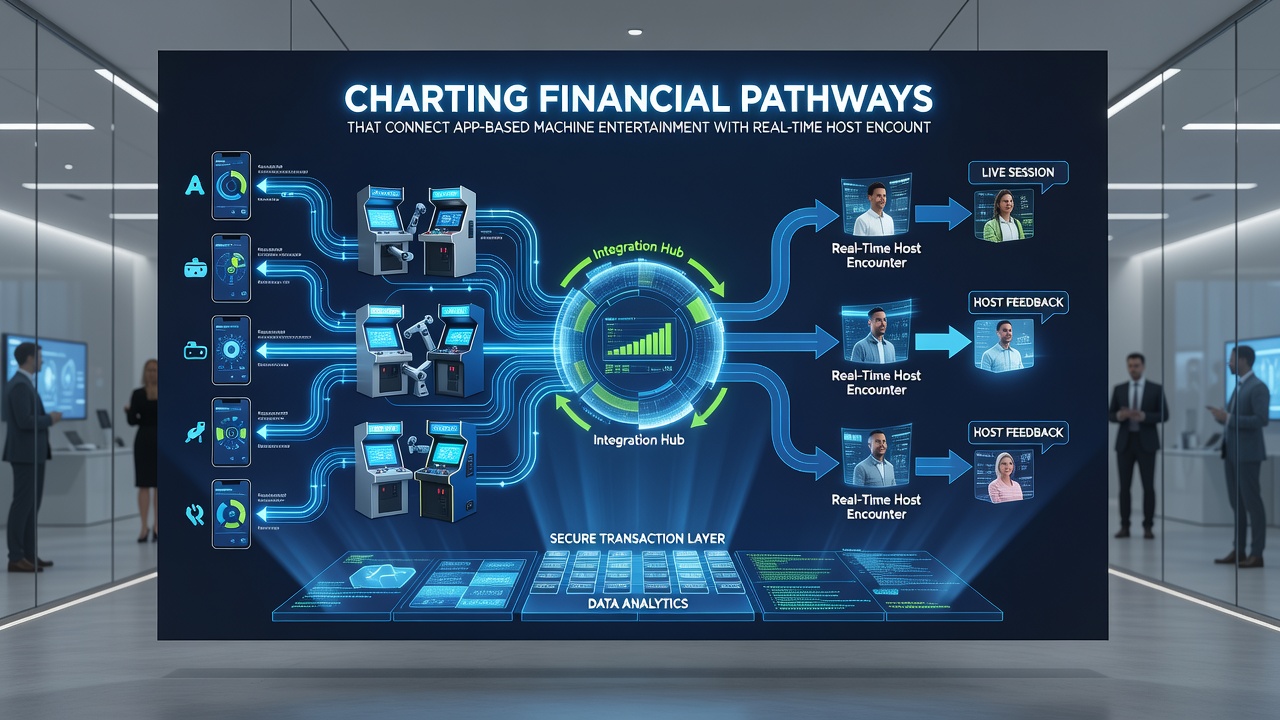
Ascending Reward Structures and Integration Points
Reward ladders operate on cumulative spend and engagement data that spans both machine and live formats, granting escalating perks such as cashback percentages, dedicated host access, or event invitations once thresholds are met. Financial pathways strengthen these structures by routing a portion of each transaction into loyalty ledgers automatically, which eliminates manual claims in many implementations.
Studies conducted through academic partnerships with institutions tracking gambling behavior reveal that players who navigate from app-based starts into live encounters tend to reach mid-tier status faster when deposit and withdrawal speeds remain consistent. The same data sets highlight how bonus layering, where initial free credits convert into wagerable funds, contributes measurable volume toward these progressions.
Payment Mechanisms Driving Continuity
Instant transfer technologies serve as the connective tissue, allowing balances generated in one entertainment category to fund activity in another without friction points that previously interrupted momentum. Regulatory filings from Canadian provincial authorities document how these tools correlate with higher cross-format retention rates during periods when operators introduced unified bonus wallets.
Participants who maintain steady funding flows through verified channels often see their activity histories compiled into single profiles, which then inform personalized reward offers. This consolidation reduces administrative overhead for operators while providing users with transparent visibility into how each session contributes to overall standing.
Current Landscape as of June 2026
Figures released during June 2026 demonstrate continued expansion in integrated offerings, where operators combine mobile machine libraries with live streaming capabilities under single regulatory licenses. External analyses from organizations such as the American Gaming Association show that payment innovation remains a primary driver behind sustained participation across both automated and hosted formats.
Market participants observe that jurisdictions permitting rapid settlement options report stronger linkage between entry-level spins and subsequent live engagement, while reward programs continue to evolve their criteria to encompass metrics from every channel. These developments create more defined routes for users seeking to advance through structured incentive tiers.
Conclusion
Financial pathways linking app-based machine entertainment, real-time host encounters, and ascending reward structures rest on coordinated payment systems, unified data tracking, and bonus mechanisms that recognize activity across formats. Evidence compiled through regulatory reporting and industry studies confirms these connections operate at scale in licensed markets, supporting transitions that convert initial engagements into sustained participation sequences. The architecture continues to adapt as new settlement technologies and loyalty integrations enter operational use.