Digital Transaction Pathways Extending No-Deposit Play Across Multi-Game Loyalty Systems
Written by Parker Russell · Jun 13, 2026
Digital Transaction Pathways Extending No-Deposit Play Across Multi-Game Loyalty Systems
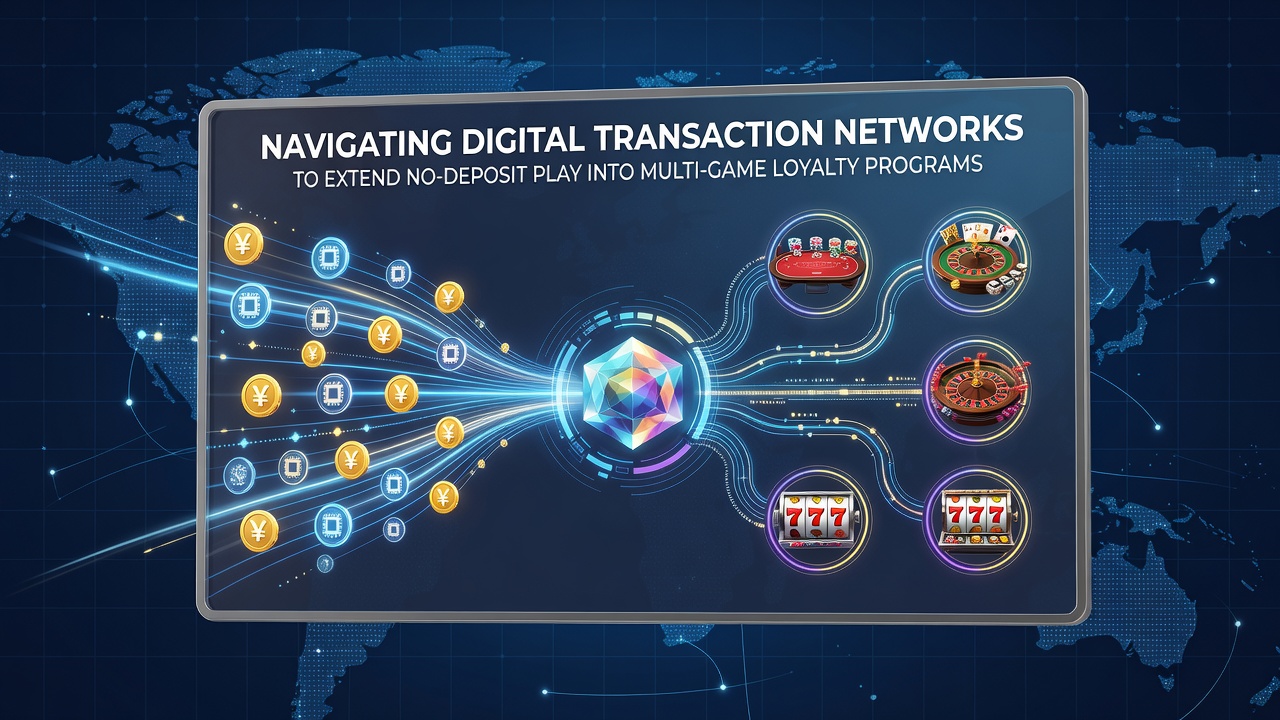
Digital transaction networks now serve as the primary infrastructure linking initial no-deposit bonuses to broader loyalty structures that span slots, table games, and live dealer formats. These systems process instant transfers through e-wallets and integrated payment processors, allowing players to maintain momentum from free spins or credits into tracked reward tiers without separate funding steps. Data from industry reports shows that seamless network routing has increased player retention rates in multi-game environments by connecting isolated bonus offers to unified account profiles.
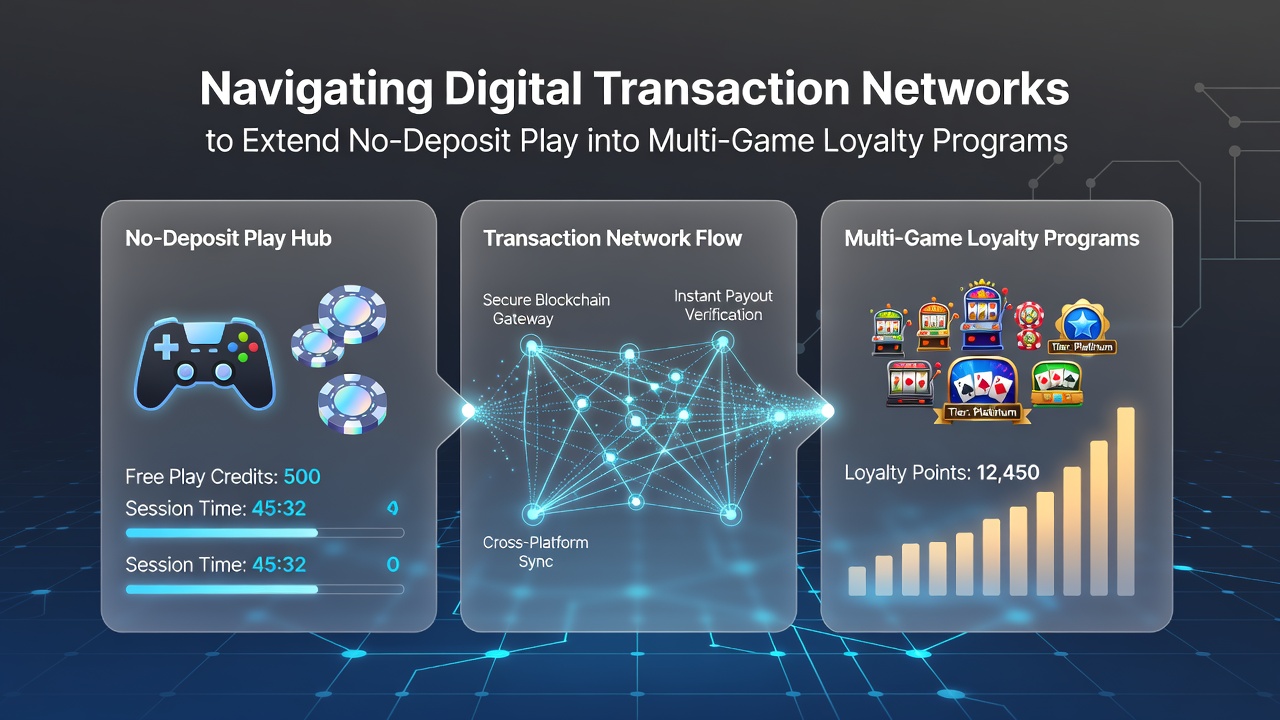
Payment gateways facilitate this progression by embedding loyalty identifiers directly into transaction protocols. When a player activates a no-deposit offer, the network logs activity across game categories and routes progress toward loyalty points that apply universally. This approach eliminates manual transfers between game-specific accounts and creates continuous tracking that updates in real time during sessions.
Network Architecture Supporting Cross-Game Progression
Modern platforms rely on API-driven connections between transaction processors and loyalty databases to handle the shift from no-deposit entry points to full program participation. These connections verify eligibility, apply game multipliers automatically, and accumulate data that feeds into tier advancement algorithms. Researchers at the University of Nevada, Las Vegas documented how such integrations reduce friction in player journeys while maintaining compliance records across jurisdictions.
Transaction logs generated during no-deposit play feed directly into loyalty engines that recognize patterns from slots through to live dealer tables. The architecture supports conditional triggers where certain spin volumes or bet thresholds unlock equivalent rewards in table game formats. Observers note that this layered routing has become standard in platforms operating under frameworks established by bodies such as the Nevada Gaming Control Board, which updated its digital compliance guidelines in early 2026.
Role of June 2026 Regulatory Updates in Network Standards
June 2026 brought revised technical standards from multiple international regulators that directly affect how transaction networks handle loyalty extensions. These updates require enhanced encryption for cross-game data flows and mandate clearer audit trails for no-deposit conversions. Platforms adapting to these rules have implemented standardized protocols that allow loyalty points earned in one category to transfer without value loss to other game types.
Industry associations including the American Gaming Association reported that operators incorporating these standards saw measurable gains in player engagement metrics during the second half of 2026. The changes emphasize interoperability between payment rails and loyalty systems, ensuring that no-deposit activity contributes proportionally to multi-game reward ladders.
E-Wallet Integrations and Loyalty Synchronization
E-wallets function as central hubs within these networks by storing both transaction history and loyalty identifiers in unified profiles. When a player completes no-deposit requirements, the wallet automatically syncs resulting data with the broader loyalty platform. This synchronization supports instant recognition of progress across game verticals and enables features such as dynamic bonus scaling based on cumulative activity.
Studies from the Canadian Gaming Association highlight how e-wallet providers have refined their APIs to accommodate these demands, resulting in reduced processing delays during loyalty tier transitions. Players move from initial free play sessions into paid or hybrid formats while their accumulated rewards remain intact and accessible across different game libraries.
Case Examples of Multi-Game Loyalty Extension
One documented implementation involves a platform that routes no-deposit slot activity into live dealer loyalty credits through a single transaction identifier. The system records each qualifying spin, applies conversion rates established by the loyalty algorithm, and updates the player's unified balance without requiring additional deposits. Another example shows table game operators using network triggers to grant slot-specific loyalty multipliers after live sessions reach predefined volumes.
These cases demonstrate how transaction networks eliminate silos between game types. Data flows continuously, allowing loyalty programs to treat activity from any category as equivalent input toward tier benefits such as cashback rates or exclusive event access.
Conclusion
Transaction networks have established reliable pathways that convert no-deposit starting points into sustained participation across multiple game formats and loyalty structures. Regulatory developments from June 2026 reinforced the technical requirements for secure data routing, while e-wallet integrations provided the practical mechanisms for real-time synchronization. These elements together create a framework where initial bonus activity contributes directly to long-term reward accumulation without interruption or separate account management.