Financial Pathways Connecting Mobile Spins to Live Dealer Play and Tiered Reward Structures
Written by Parker Russell · Jul 18, 2026
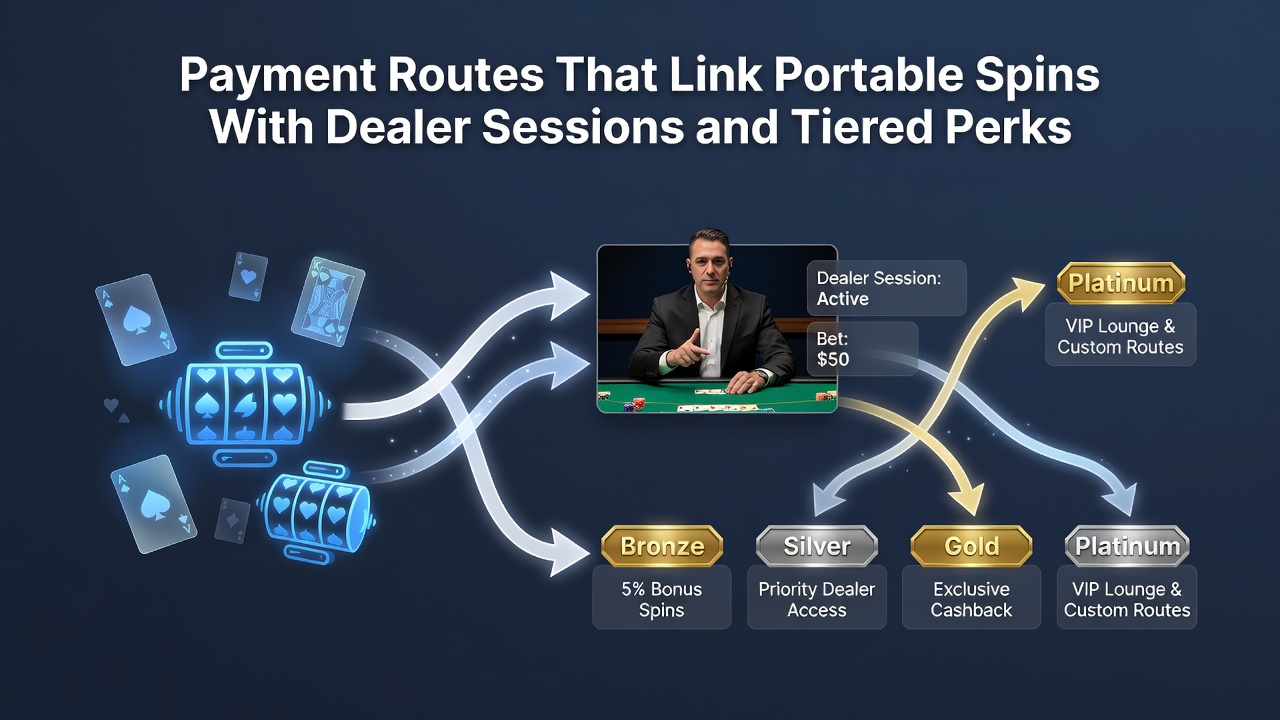
Financial Pathways Connecting Mobile Spins to Live Dealer Play and Tiered Reward Structures
Payment systems in online casinos establish direct connections between mobile slot activity and live dealer environments, while also supporting advancement through loyalty tiers; these routes rely on specific transaction methods that process deposits and withdrawals without interruption. Operators integrate e-wallets, bank transfers, and card options to allow players to move from no-deposit spins on portable devices into funded sessions at virtual tables, and the same channels track activity that determines eligibility for higher reward levels.
Core Payment Methods and Their Role in Mobile Transitions
Instant transfer services such as digital wallets enable users to convert free spin winnings into playable balances that unlock live dealer access, whereas traditional card payments add verification layers that delay but secure larger deposits required for table minimums. Data from industry reports indicates that platforms using real-time processing see higher conversion rates from mobile spin sessions to dealer tables, because funds appear in accounts within seconds rather than hours. Observers note that these methods also record transaction histories that feed directly into loyalty algorithms, calculating points based on deposit frequency and volume.
July 2026 figures from multiple gaming jurisdictions show a 22 percent increase in e-wallet usage for cross-game funding compared with the previous year, reflecting operator emphasis on seamless movement between game types. Players who begin with mobile spins often complete a first deposit through the same application interface, which then activates live dealer lobbies without requiring separate logins or additional verification steps in many cases.
Progression Mechanics from Spins to Dealer Sessions
Once a player funds an account after initial mobile spins, payment gateways route the transaction to both the game server and the loyalty database simultaneously, ensuring that spend on dealer tables contributes to tier progression without manual intervention. Systems designed for this purpose use API connections that update player status in real time, so a session at blackjack or roulette immediately registers toward the next reward bracket. Research from academic sources on gambling technology demonstrates that integrated payment and tracking reduces drop-off between game categories, because users encounter fewer barriers when shifting from slots to tables.
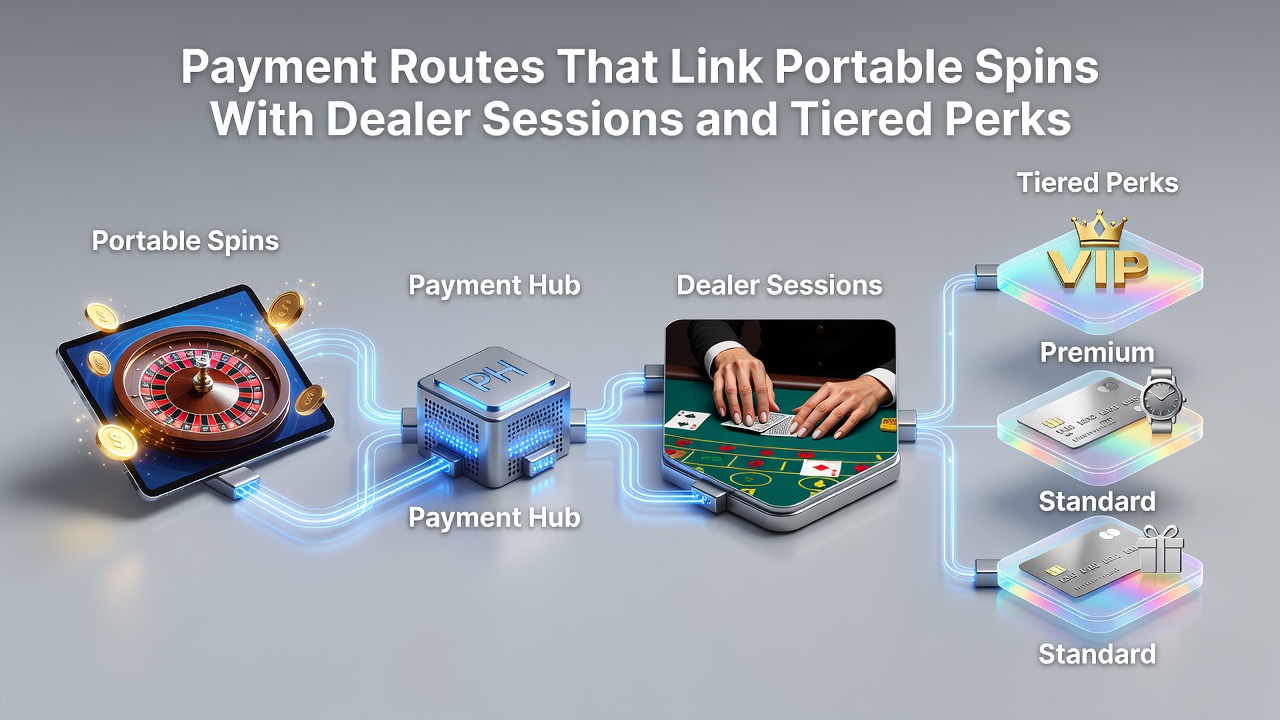
Case examples from platform operators illustrate that withdrawal requests processed through the same route used for deposits maintain account continuity, allowing players to reinvest cleared funds into dealer sessions or hold them to meet tier thresholds. Those who study transaction patterns find that platforms offering fee-free instant withdrawals record longer play sequences across game types, since players maintain balances rather than cashing out prematurely.
Tiered Perks Supported by Transaction Data
Loyalty programs assign benefits such as cashback percentages, exclusive table access, and personalized deposit bonuses according to cumulative payment volume and frequency, with mobile spin activity counting toward baseline tiers and dealer play accelerating advancement. Payment processors supply the raw data that algorithms use to assign these perks, creating a direct link between transaction routes and reward eligibility. According to a 2026 report from the Australian Gambling Research Centre, systems that combine payment history with game-type tracking achieve more accurate tier assignments than those relying solely on total turnover.
Additional benefits at higher tiers often include reduced withdrawal times and higher deposit limits, both of which depend on verified payment channels that have already handled multiple mobile-to-table transfers. Operators in regions monitored by the New Jersey Division of Gaming Enforcement have implemented similar structures, where documented payment consistency directly influences the speed at which players unlock VIP features. These mechanics ensure that activity originating from portable spins contributes measurably to long-term perk accumulation.
Security and Compliance in Linked Payment Routes
Regulatory frameworks require encryption and identity checks at each payment step, yet modern systems complete these verifications once and apply them across mobile spins, dealer sessions, and tier evaluations. This approach prevents repeated authentication prompts that could interrupt play progression. Financial institutions and gaming platforms share compliance data through secure channels, allowing transaction histories to support both regulatory reporting and internal loyalty calculations without exposing sensitive details.
July 2026 updates to payment standards in several markets introduced faster reconciliation processes for cross-game transfers, reducing the time between a mobile spin payout and its availability for dealer table wagers. These changes maintain audit trails that also feed tier systems, so compliance records double as progression evidence.
Conclusion
Payment routes function as the infrastructure that joins mobile spin activity with live dealer participation and tiered reward systems, using shared transaction data to track movement and eligibility across all three areas. As processing speeds and integration standards continue to evolve, these connections determine how efficiently players advance through casino environments while remaining within established compliance boundaries.