Pathways to Casino Elevation Through Multi-Tiered Bonuses in Mobile Slots, Tables, and Payment Systems
Written by Parker Russell · Jul 2, 2026

Pathways to Casino Elevation Through Multi-Tiered Bonuses in Mobile Slots, Tables, and Payment Systems
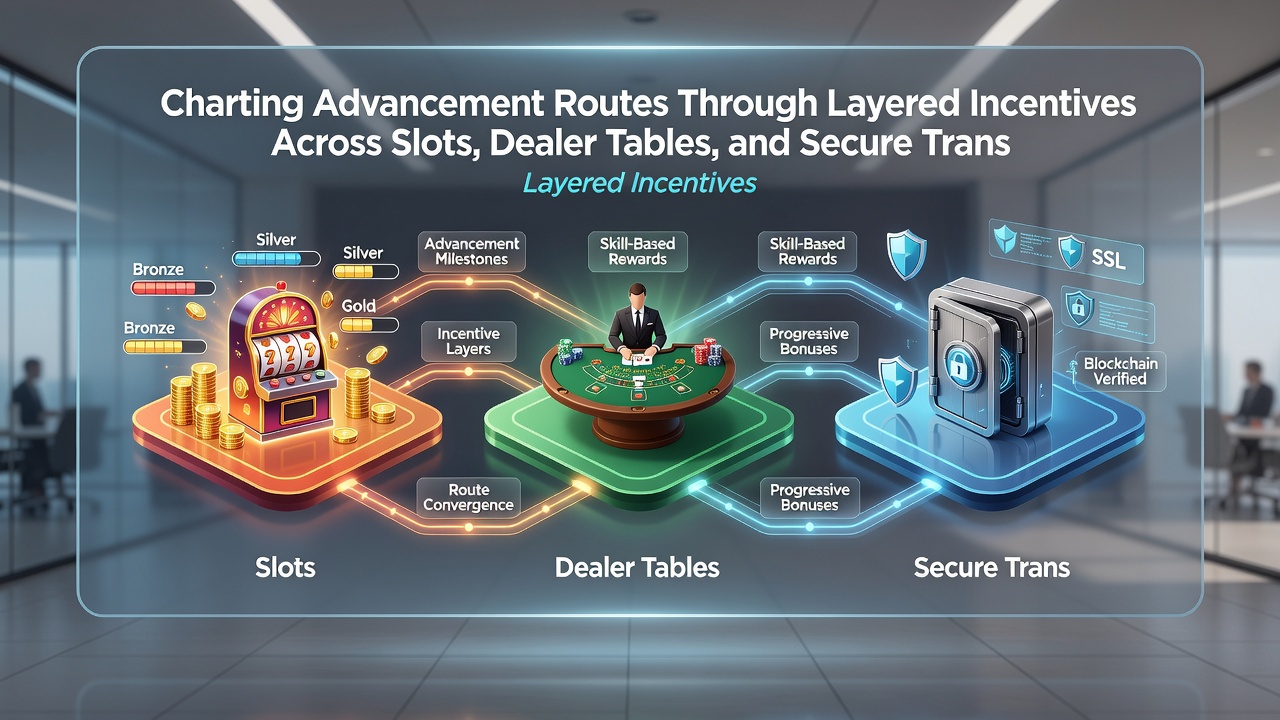
Players encounter structured incentive systems that connect initial slot activity with later access to dealer tables and protected transaction channels on portable devices, and these systems rely on sequential reward layers that adjust based on participation metrics recorded in July 2026.
Initial Layers in Slot Environments
Entry-level rewards begin with no-deposit allocations that activate upon registration, after which accumulated spin counts determine eligibility for enhanced free rounds and multiplier adjustments. Data from industry tracking services shows that mobile slot sessions completed during the first week often feed directly into tiered point systems, where each completed round contributes measurable progress toward higher reward brackets. Observers note that these early layers maintain separate tracking for daily login streaks versus total wager volume, allowing parallel advancement routes that converge at specific thresholds.
Portable platforms integrate these slot incentives with device-specific features such as push notifications that alert users when new layer thresholds become available. Research indicates that operators adjust the payout frequency of these bonuses according to regional compliance requirements, yet the core structure remains consistent across applications. Those who track session data report that slot-only progression typically unlocks the first visible upgrade within 48 hours of sustained activity.
Transition Mechanisms Toward Dealer Tables
Once slot-based point totals reach predetermined levels, systems automatically surface invitations to live dealer sections where additional incentive layers activate. These table-focused rewards include time-limited seat reservations and progressive jackpot contributions that only become accessible after the slot-to-table crossover occurs. Figures from mobile analytics platforms reveal that roughly 35 percent of users who complete initial slot layers proceed to dealer environments within the same week.
Secure transaction networks play a supporting role here because each table entry requires verified deposits that carry their own layered cashback schedules. Experts have observed that these networks flag and accelerate transfers tied to table play, reducing processing intervals compared with standard slot deposits. The crossover point therefore depends on both accumulated slot metrics and the successful execution of at least one verified mobile payment.
Role of Encrypted Transaction Networks
Transaction layers operate independently yet intersect with gameplay rewards at multiple checkpoints. Encrypted mobile payment systems record each transfer with metadata that feeds into the overall incentive engine, granting instant credit boosts when certain velocity thresholds are met. According to reports published by the iGaming Ontario regulatory body, transaction speed directly influences the rate at which players unlock subsequent VIP brackets across both slots and tables.
Operators embed these networks with conditional triggers that release additional bonus value upon completion of combined slot and table activity. Data shows that users who route deposits through the fastest verified channels experience earlier access to dealer-exclusive rewards. The architecture therefore treats transaction velocity as a distinct progression variable rather than a simple support function.
Combined Advancement Across All Three Areas
Integrated dashboards on portable devices display unified progress bars that combine slot points, table participation hours, and transaction milestones into single advancement indicators. July 2026 updates from several platform providers introduced synchronized reset timers that align all three categories on a shared calendar cycle, preventing isolated stagnation in any single area. Studies conducted by academic researchers at the University of Nevada, Las Vegas found that such unified tracking increases cross-category engagement by measurable margins.
Layered incentives in this combined model often include escalating cashback percentages that scale according to the highest completed tier across any of the three domains. Mobile users therefore strategize activity distribution to maximize overlap between slot streaks, table sessions, and rapid transaction confirmations. Those monitoring these patterns note that the most efficient routes involve alternating between categories rather than concentrating effort in one.
Conclusion
Advancement routes through layered incentives across slots, dealer tables, and secure transaction networks continue to evolve on portable platforms as operators refine threshold algorithms and synchronization features. The structure documented in mid-2026 emphasizes measurable crossovers between each component, supported by encrypted payment infrastructure that records and rewards activity velocity. Continued observation of these interconnected systems reveals consistent patterns in how initial slot engagement feeds into broader access across table environments and transaction benefits.