Payment Channel Influences on Loyalty Tier Progression in Mobile Applications with Reel Spins and Live Dealer Tables
Written by Parker Russell · Jun 15, 2026
Payment Channel Influences on Loyalty Tier Progression in Mobile Applications with Reel Spins and Live Dealer Tables
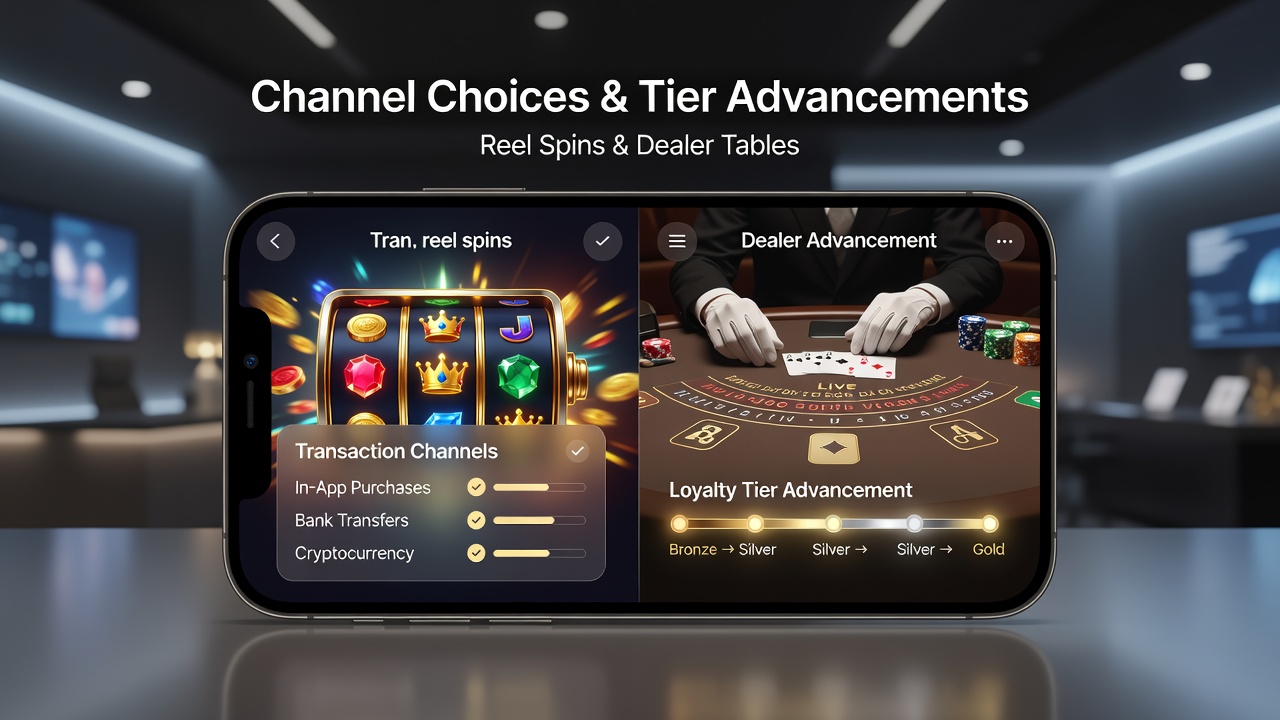
Transaction channel selections in smartphone applications that feature reel spins and interactive dealer tables correlate with patterns of loyalty tier advancement according to industry analyses and platform data. Users who opt for integrated digital wallets often accumulate qualifying activity at rates that support faster movement through tier structures while those relying on traditional bank transfers encounter different processing timelines that affect point accrual consistency.
Common Transaction Channels and Their Platform Integrations
Smartphone applications supporting reel-based games alongside live dealer environments typically offer multiple payment pathways including e-wallets, credit and debit card processing, bank transfers, and prepaid voucher systems. Each channel connects to backend systems that track spend volume, frequency, and session duration which feed directly into loyalty algorithms. Data from platform operators shows that channels with instant confirmation features enable uninterrupted play sequences in both slot sections and dealer tables which in turn registers continuous activity for tier calculations.
Observers note that e-wallet integrations frequently embed reward multipliers at the point of deposit or withdrawal which accelerate the accumulation of loyalty points compared to channels requiring manual verification steps. Card-based options meanwhile provide standardized tracking yet introduce authorization delays during peak hours that can interrupt live dealer sessions and reduce recorded consecutive play metrics.
Loyalty Tier Mechanics in Mobile Casino Environments
Loyalty programs within these applications assign tiers based on cumulative transaction values and engagement metrics across reel spins and interactive tables. Advancement criteria include total wagered amounts, number of sessions completed, and sometimes diversity of game types accessed. Research from gaming analytics firms indicates that players utilizing channels with rapid settlement capabilities maintain higher session continuity which supports steady progress toward higher tiers such as silver, gold, or platinum designations.
Platform records reveal that tier benefits expand as users advance and these perks often include enhanced point multipliers on specific channels. For instance, certain applications grant additional loyalty credits when deposits occur through preferred e-wallets during promotional windows tied to live dealer events. Such linkages create measurable differences in advancement speed depending on the selected transaction method.
Observed Patterns Linking Channels to Tier Advancement
Studies conducted by independent research groups have documented correlations between channel choice and tier movement rates. One analysis covering multiple mobile platforms found that users completing over seventy percent of transactions via instant digital methods reached mid-tier status approximately twenty-five percent faster than those using slower verification channels over a six-month period. The same datasets showed sustained activity in both reel spin sequences and dealer table interactions contributed equally to the underlying metrics.
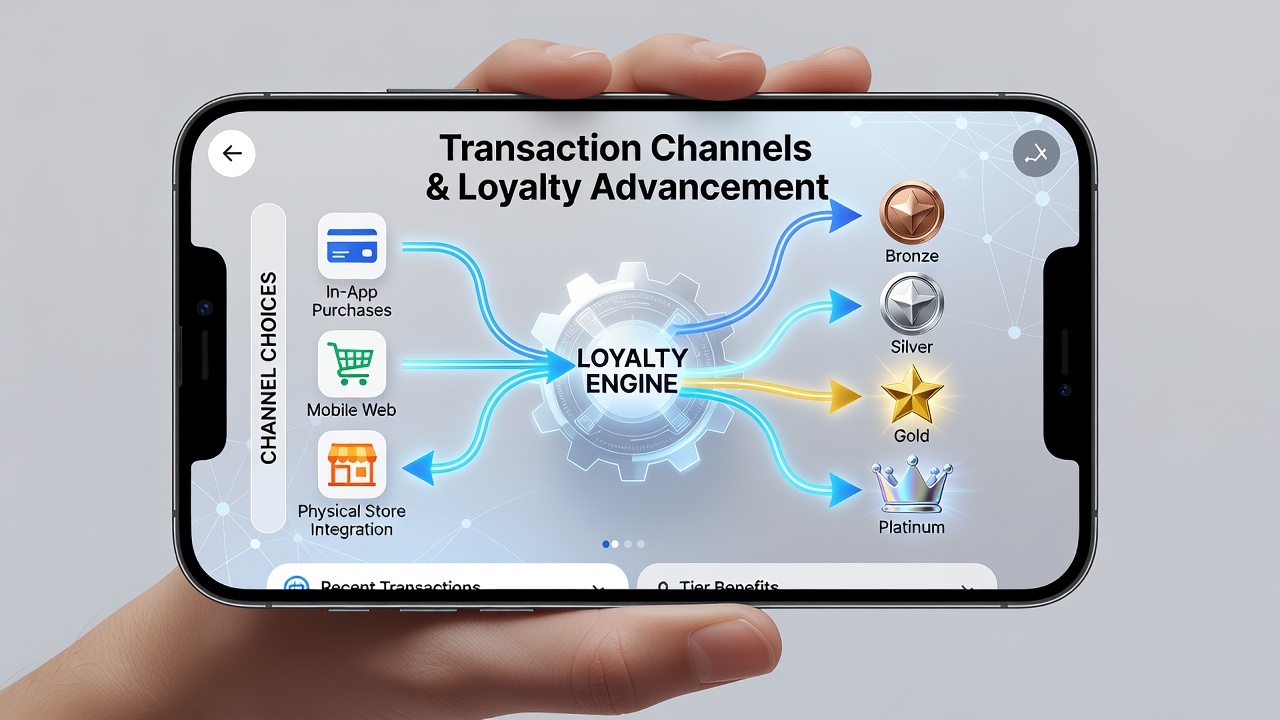
June 2026 reports from international gaming research bodies highlighted similar trends across regions where mobile adoption rates exceeded sixty-five percent of total play volume. These findings emphasized that transaction speed influences not only point totals but also the consistency of play patterns that loyalty systems reward through tier-specific bonuses. Applications that synchronize channel data with real-time tier dashboards allow users to monitor how specific payment choices affect upcoming advancement thresholds.
Regional Regulatory Contexts and Data Reporting
Regulatory frameworks in various jurisdictions require operators to maintain transparent records of transaction processing and loyalty program operations. The Gambling Regulatory Authority in Mauritius publishes periodic summaries that include aggregated information on digital payment adoption within licensed mobile platforms. Such reports demonstrate steady growth in e-wallet usage coinciding with increased loyalty program participation rates.
Academic research from institutions such as the International Gaming Institute at the University of Nevada Las Vegas has examined how payment infrastructure affects user retention and progression metrics in digital gaming environments. Their longitudinal studies track variables including channel selection frequency and resulting tier status changes without attributing causation to individual preferences.
Future Developments in Channel and Tier Integration
Platform developers continue refining application architectures to link transaction data more directly with loyalty engines. Emerging features include automated tier notifications triggered by specific channel usage thresholds and cross-game point bonuses that apply equally to reel spins and live dealer participation. Industry observers expect continued evolution in these integrations as mobile hardware capabilities expand and regulatory reporting standards mature across markets.
Conclusion
Available data establishes clear associations between transaction channel characteristics and loyalty tier advancement within smartphone applications that combine reel spins with interactive dealer tables. Instant processing options tend to support uninterrupted activity tracking while verification-heavy channels introduce variability in recorded engagement. Regulatory summaries and academic examinations provide ongoing documentation of these patterns across multiple operational regions and timeframes.