Tracing Transaction Routes: How Mobile Payment Options Link Slot Sequences with Live Table Progressions to Build Layered Rewards
Written by Hugo Becker · Aug 3, 2026
Tracing Transaction Routes: How Mobile Payment Options Link Slot Sequences with Live Table Progressions to Build Layered Rewards
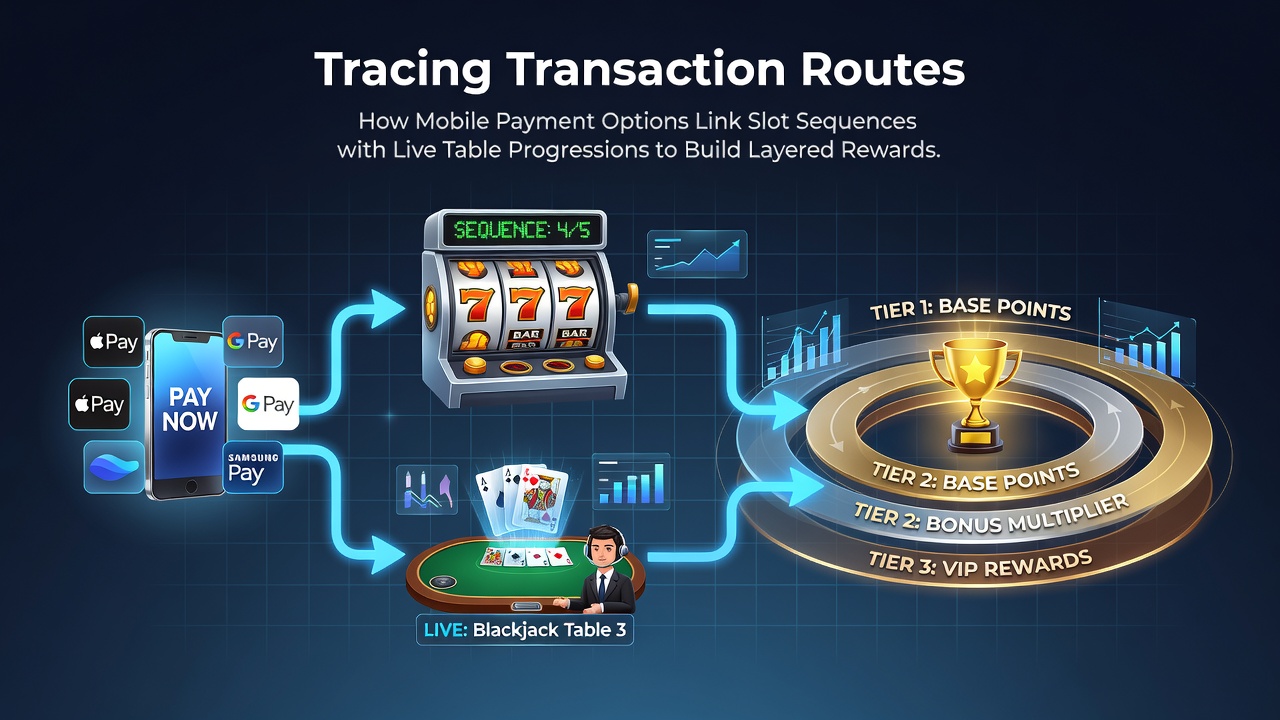
Transaction tracking in mobile casino applications relies on payment gateways that assign unique identifiers to each deposit and withdrawal, and these markers allow operators to map sequences of slot activity directly onto live table game participation. Data flows through secure APIs that record timestamps, bet amounts, and game types, creating a continuous record that ties initial spins on mobile slots to later progressions at virtual blackjack or roulette tables. Observers note that such integration supports reward layering where points earned in one category transfer to unlock benefits in another.
Mobile Payment Systems and Transaction Logging
Payment options including digital wallets and bank transfers operate through encrypted channels that log every movement with precision, and this logging process captures details like device location, transaction value, and player account status. When a user initiates a deposit via a mobile app, the system generates a trail that follows activity from slot machines into live dealer environments. Figures from industry analyses reveal consistent patterns where these routes enable seamless point accumulation across game categories, and the same mechanisms handle both small frequent transfers and larger single deposits without interruption.
Researchers have documented how e-wallet providers embed metadata into each transaction, and this metadata helps casino platforms distinguish between slot sequences and table progressions while maintaining compliance records. In practice the identifiers link a series of low-stakes slot bets to subsequent higher-stakes live sessions, allowing reward systems to calculate combined contributions. Data indicates that platforms using these methods process millions of such linked transactions daily across global markets.
Connecting Slot Sequences to Live Table Progressions
Slot sequences generate rapid transaction events that feed into a central ledger, and operators then correlate those events with slower-paced live table activity through shared account profiles. A player who completes a streak of spins can move to a live dealer table, where the prior payment history remains visible to the reward engine. This connection occurs because mobile payment processors maintain persistent session data that travels with the user account rather than resetting at each game switch.
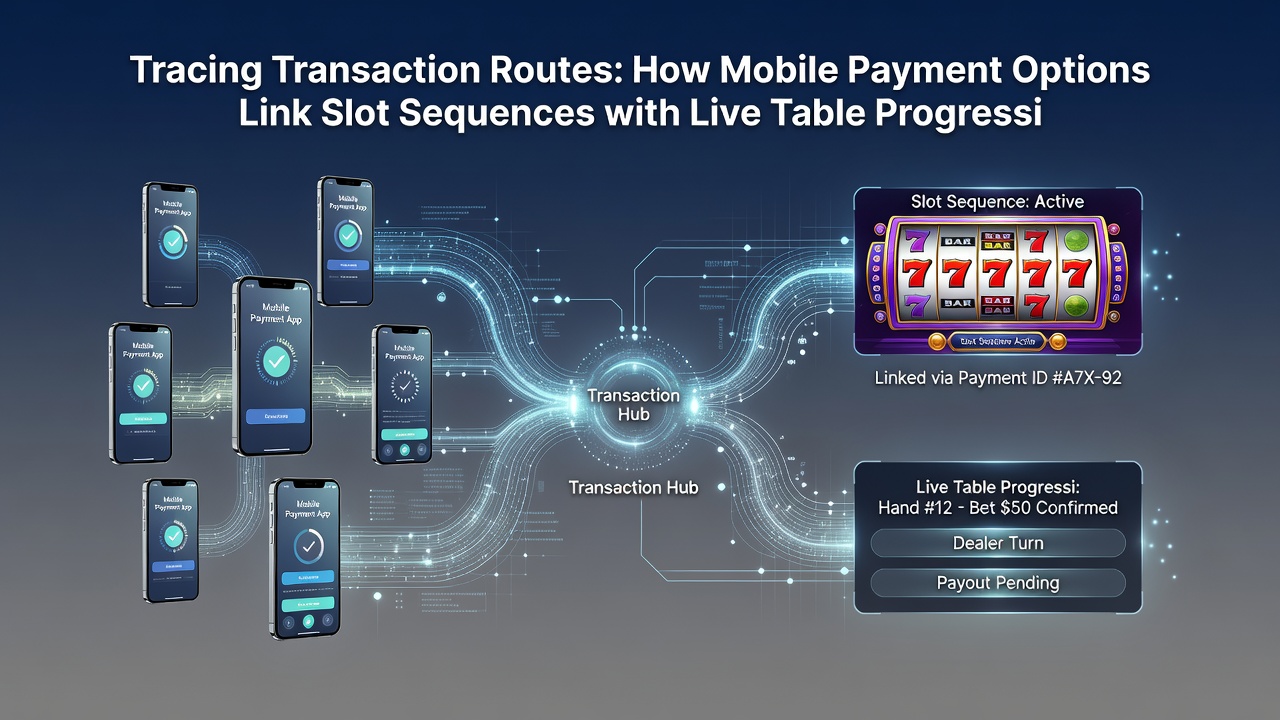
Studies conducted by academic teams have examined these linkages in controlled environments, and the findings show that reward multipliers often activate only after combined slot and table thresholds are met. The process uses time-stamped records to verify that a user has progressed from one game type to another within defined windows. Reports released in August 2026 highlight continued growth in such cross-game tracking features as platforms update their backend systems to handle higher volumes of mobile traffic.
Building Layered Rewards Through Payment Trails
Layered reward structures depend on the ability to aggregate data from multiple payment events, and mobile options accelerate this aggregation by providing real-time confirmation of each step. Points collected during slot play can convert into table game credits or exclusive access passes once the transaction route confirms the required sequence. Industry organizations such as the American Gaming Association publish annual summaries that document how these layered systems operate across different regulatory jurisdictions.
Further evidence comes from research institutions tracking player behavior patterns, and those patterns demonstrate that users who follow complete transaction routes tend to engage with a wider range of game types. The reward layers themselves consist of tiered benefits that unlock progressively, each new level requiring verification of both slot and table activity through the original payment identifiers. European regulators outside the UK have issued guidelines that emphasize transparent logging of these routes to protect account integrity.
Additional data sources include reports from the European Gaming and Betting Association, which detail volume increases in cross-category play facilitated by mobile payments. These reports note that transaction routes reduce friction between game transitions while preserving audit trails for verification purposes.
Conclusion
Transaction routes established by mobile payment systems create verifiable connections between slot sequences and live table progressions, and this connectivity underpins the construction of layered reward programs. Operators continue to refine these mechanisms as transaction volumes rise, with updates documented through 2026 reflecting ongoing technical adjustments. The factual record shows that accurate logging and identifier matching remain central to how rewards accumulate across game categories.