Transaction Mapping in Digital Casinos: Deposit Channels and Layered Reward Systems for Mobile Live Dealer and Table Play
Written by Finley Franke · Jun 25, 2026
Transaction Mapping in Digital Casinos: Deposit Channels and Layered Reward Systems for Mobile Live Dealer and Table Play
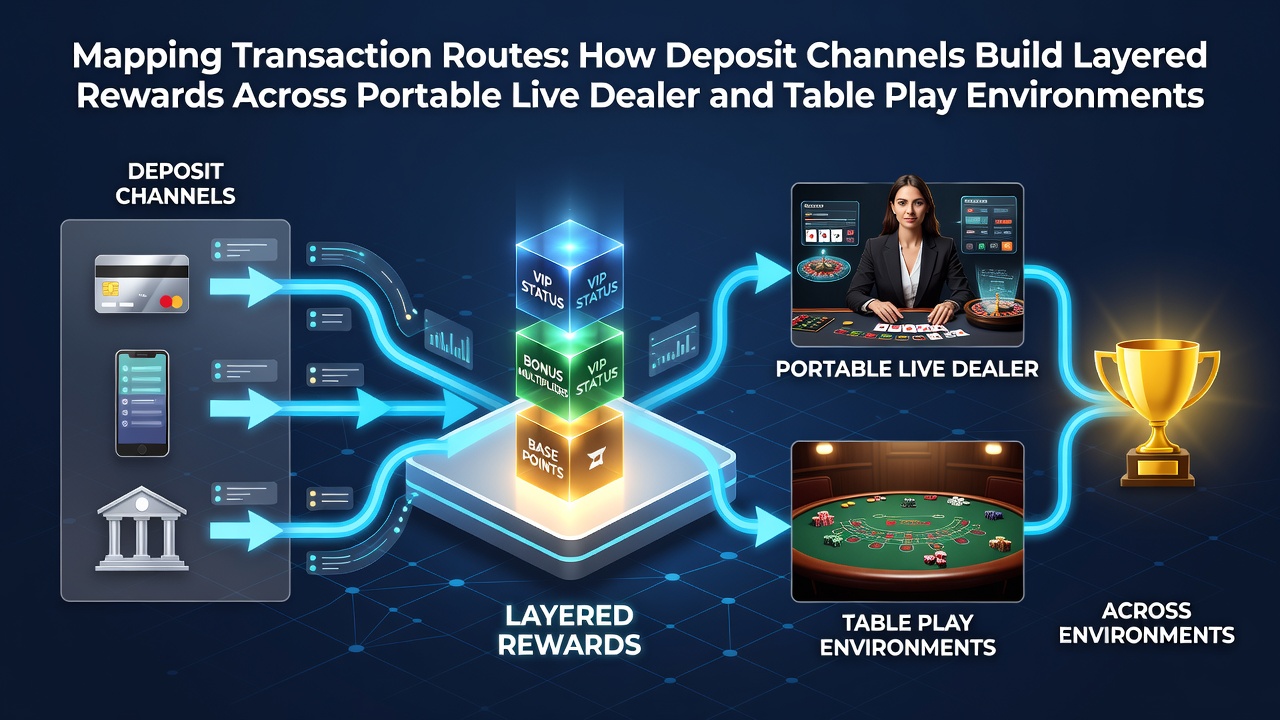
Transaction mapping reveals how deposit channels operate as foundational elements that construct multi-tiered reward systems across portable live dealer environments and traditional table play formats, with data from June 2026 highlighting continued expansion in mobile transaction volumes that support these interconnected structures.
Financial institutions and payment processors establish the initial routes that players utilize to fund accounts, while these same pathways trigger bonus allocations, loyalty point accruals, and progression through VIP tiers that apply equally to slot sessions, live dealer interactions, and classic table games accessed via mobile devices.
Core Mechanics of Deposit Channel Integration
Deposit methods such as e-wallets, bank transfers, and prepaid cards create distinct transaction routes that gaming platforms track through unique identifiers, allowing operators to map each incoming payment to specific reward layers that accumulate across different game categories; observers note that these mappings enable seamless transitions where funds deposited for mobile live dealer sessions automatically contribute to table game reward pools without requiring separate verification steps.
Research indicates that platforms segment deposit sources by speed and fee structure, which in turn determines the velocity at which layered incentives activate, for example faster e-wallet deposits often unlock immediate cashback percentages while slower bank transfers accumulate higher-value loyalty multipliers over time, yet both routes feed into the same overarching reward architecture that spans portable environments and fixed table setups.
Layer Construction Across Game Types
Layered rewards emerge when deposit channels interface with game-specific algorithms that convert transaction data into progressive benefits, including match bonuses that scale with deposit size, free play credits applicable to live dealer tables, and status elevations that grant access to exclusive mobile table tournaments; studies from the University of Nevada, Las Vegas Center for Gaming Research demonstrate consistent patterns where players who route deposits through multiple channels achieve faster progression through these layers compared to single-channel users.
Those who have examined operational data find that live dealer environments benefit particularly from real-time mapping because each deposit triggers immediate dealer session credits, whereas table play rewards often incorporate delayed settlement features that compound across multiple sessions, creating a balanced system where mobile portability enhances access to both immediate and cumulative incentives without disrupting the underlying transaction integrity.
Mobile Portability and Cross-Environment Reward Flow
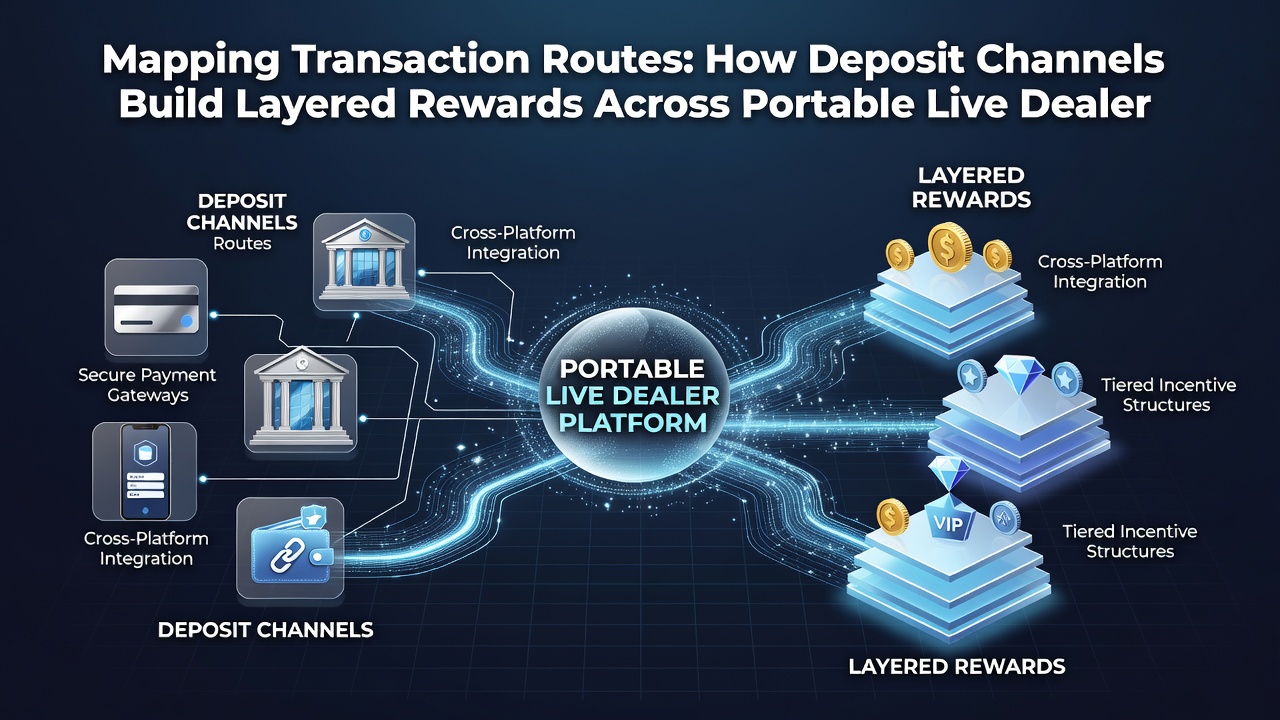
Portable access expands the reach of these mapped routes because players can initiate deposits from any location and direct them toward whichever game environment offers the strongest current reward alignment, with June 2026 figures from the American Gaming Association revealing that mobile-initiated deposits now account for over sixty percent of total transaction volume in combined live dealer and table segments.
Operators maintain unified player profiles that record every deposit channel interaction regardless of device, ensuring that reward layers built during a mobile live dealer session carry forward when the same player switches to desktop table play, and this continuity relies on secure API connections that update in real time to prevent fragmentation of accumulated benefits.
Regulatory and Operational Considerations
Regulatory frameworks in multiple jurisdictions require transparent mapping of deposit channels to reward distributions, which encourages platforms to publish clear documentation on how each payment method influences bonus eligibility and VIP progression rates; industry reports highlight that such transparency reduces disputes while strengthening player trust in the layered systems that connect portable gaming experiences with traditional table environments.
Security protocols further reinforce these structures by encrypting transaction data at each stage of the route, from initial deposit through reward allocation, allowing operators to audit pathways without exposing sensitive player information and thereby sustaining the operational stability of multi-environment reward programs.
Conclusion
Deposit channel mapping continues to serve as the structural backbone that enables layered rewards to function consistently across mobile live dealer and table play settings, with ongoing data collection supporting refinements that maintain balance between immediate incentives and long-term progression opportunities for participants worldwide.