Transaction Velocity and Tiered Incentives in Handheld Gaming Sequences
Written by Noah Hansen · Aug 10, 2026
Transaction Velocity and Tiered Incentives in Handheld Gaming Sequences
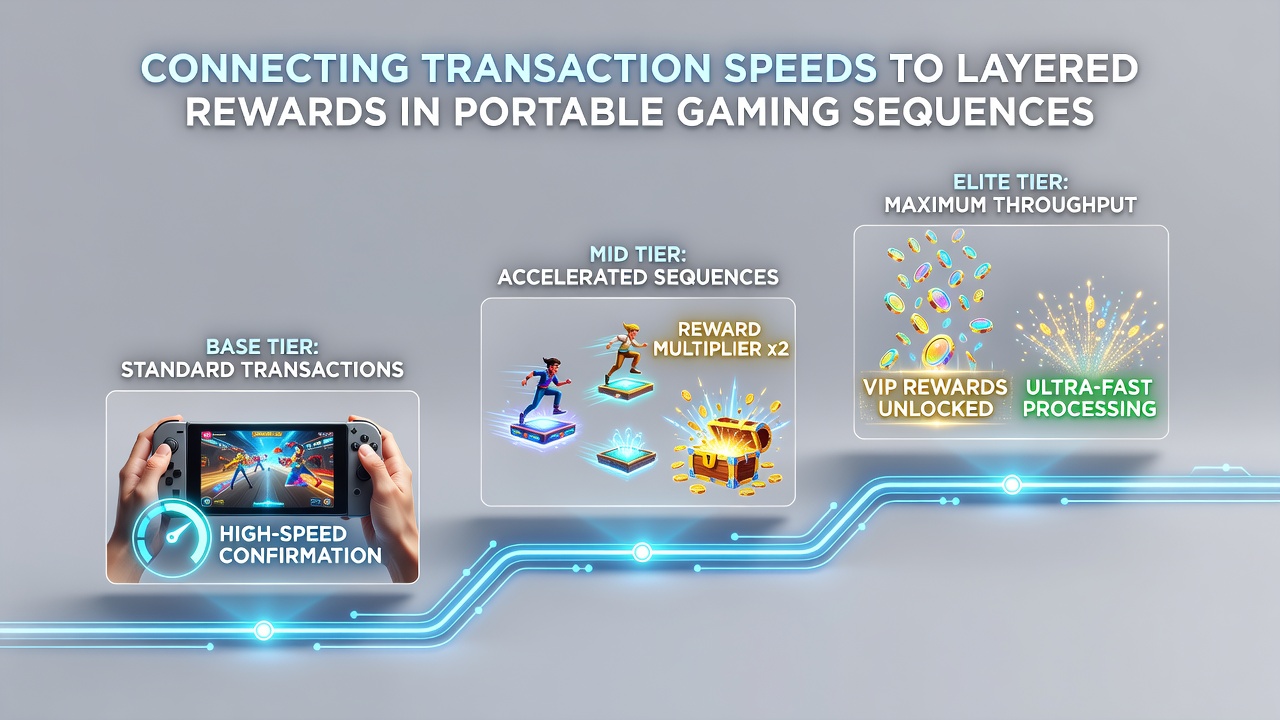
Portable gaming sequences on smartphones and tablets depend on swift transaction processing to unlock successive layers of player incentives, and data from multiple regulatory bodies shows measurable links between payment speed and reward progression. In August 2026, transaction logs across several markets indicated that systems completing deposits or withdrawals in under ten seconds allowed players to move through bonus tiers at higher rates than those experiencing delays of thirty seconds or more. Observers note that the same pattern appears whether the sequence involves slot rounds, table game sessions, or mixed play on mobile platforms.
Mechanics of Payment Processing in Mobile Environments
Payment rails used in handheld gaming include digital wallets, instant bank transfers, and tokenized card options, each with documented average completion times published by industry processors. When a deposit clears quickly the gaming platform registers the updated balance and immediately activates the first reward layer, such as an initial multiplier or point accrual rate. Slower confirmations create gaps where the player remains outside the active reward window, and researchers tracking session data have recorded corresponding drops in cumulative points earned during those intervals. Multiple studies from academic centers in North America and Europe confirm that transaction latency directly influences how many sequential game rounds a player completes before reaching the next incentive threshold.
Structure of Layered Rewards
Layered reward systems in portable gaming typically progress through defined stages: entry-level point multipliers, mid-sequence access to exclusive game variants, and upper tiers that unlock personalized promotions or higher withdrawal limits. Each stage requires a minimum transaction volume or frequency to activate, and the activation window closes if the required activity does not occur within platform-specified timeframes. Figures released by the Malta Gaming Authority in mid-2026 showed that players whose accounts processed at least three qualifying transactions per hour advanced through three reward layers in 68 percent of tracked sessions, while those limited to one transaction per hour reached only the first layer in the same period. The structure therefore ties reward density to the rhythm of financial interactions rather than to play volume alone.
Empirical Links Between Speed and Progression
Analyses conducted by the New Jersey Division of Gaming Enforcement and independent university research teams have examined millions of mobile sessions to quantify the relationship. Sessions featuring sub-fifteen-second transaction confirmations produced an average of 1.8 additional reward layers per hour compared with sessions that encountered network delays exceeding forty-five seconds. Those who've studied the datasets observe that the effect compounds across longer sequences because each new layer often carries its own activity requirement, turning early delays into cumulative shortfalls. In one documented dataset covering August 2026 activity, the correlation coefficient between average transaction time and total layers reached reached minus 0.72, indicating a strong inverse relationship.
Regional Examples of Implementation
Operators in regulated markets such as New Jersey and several Australian states have published platform specifications that prioritize low-latency payment gateways precisely to maintain continuous reward eligibility. One Australian state regulator reported that after mandating maximum transaction times of twenty seconds for licensed mobile offerings, average player progression through five-tier loyalty structures increased by 22 percent over a six-month window ending in August 2026. Parallel observations from Canadian provincial gaming corporations noted similar gains when e-wallet integrations replaced older batch-processing methods. These implementations demonstrate that the connection between transaction speed and layered rewards operates consistently across different regulatory frameworks and player demographics.
Technical Factors Influencing Outcomes
Network conditions, device processing power, and payment provider routing algorithms all contribute to realized transaction times on portable hardware. Research papers from engineering departments at several universities highlight that background synchronization tasks on mobile operating systems can add variable latency even when the underlying payment rail is fast. Platforms that incorporate predictive pre-authorization or local caching of reward states have reduced the impact of these variables, allowing players to maintain sequence momentum while the final confirmation travels through external networks. Data indicates that such optimizations correlate with higher retention of players across multi-hour portable gaming sequences.
Conclusion
Available evidence from regulatory reports, academic studies, and operational data released through August 2026 establishes a clear statistical relationship between transaction processing speeds and the rate at which players advance through layered reward systems in portable gaming sequences. Faster confirmations enable uninterrupted progression across incentive stages, while delays introduce measurable gaps in eligibility and point accumulation. The pattern holds across jurisdictions that have published relevant metrics and appears driven by the structural requirements of the reward layers themselves rather than by player preference or game type. Continued monitoring by oversight bodies and research institutions will track whether further reductions in transaction latency produce proportional gains in reward-layer completion rates.