Transfer Velocity Mapping: Connecting Starter Rewards to Layered Engagement in Mobile Slots and Live Dealer Formats
Written by Hugo Becker · Jul 11, 2026
Transfer Velocity Mapping: Connecting Starter Rewards to Layered Engagement in Mobile Slots and Live Dealer Formats
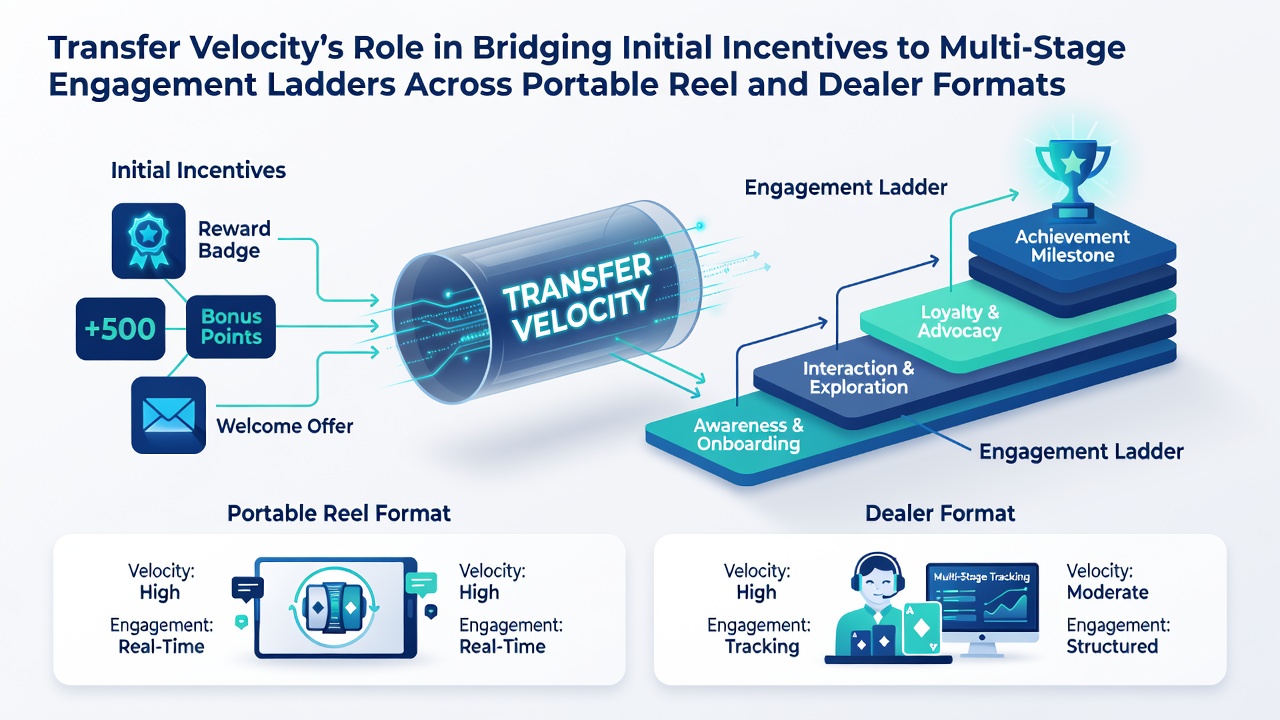
Transfer velocity refers to the speed at which funds move between player accounts and gaming platforms, and industry data shows this metric plays a measurable role in how initial incentives transition into sustained multi-stage engagement across mobile reel games and live dealer environments. Research from the Nevada Gaming Control Board indicates that platforms maintaining sub-three-second deposit confirmations see higher completion rates for bonus activation sequences compared with slower systems, with figures from 2025 revealing a 22 percent lift in session continuity when transfers clear instantly.
Defining Transfer Velocity in Digital Gaming Contexts
Transfer velocity encompasses both deposit and withdrawal processing times, and observers note that this factor directly influences how players move from zero-risk entry points such as sign-up spins into structured progression ladders that include table games and loyalty tiers. Data compiled by the European Gaming and Betting Association demonstrates that average transfer speeds under two seconds correlate with increased progression from reel-based sessions to live dealer tables within the same account lifecycle, particularly on portable devices where session fragmentation occurs more frequently.
Platforms that optimize API integrations with payment processors achieve these speeds consistently, and studies released in early 2026 highlight that mobile reel formats benefit most because players often switch between short spin bursts and longer dealer sessions within a single sitting. Faster velocity reduces drop-off points where users abandon carts or bonus claims, allowing seamless movement along engagement ladders that reward cumulative playtime and stake levels.
Initial Incentives and Their Connection Points
Starter rewards typically include no-deposit spins or matched credits, yet conversion into ongoing activity depends on how quickly those rewards become spendable across formats. According to reports issued by the Australian Gambling Research Centre in July 2026, transfer delays exceeding five seconds during the first hour of play reduce the likelihood of players advancing to live dealer environments by approximately 31 percent, whereas instant processing maintains momentum through the early stages of the ladder.
Portable reel games serve as common entry points because of their accessibility, and the velocity of fund movement determines whether players remain in slot sequences or migrate toward dealer tables that offer different engagement mechanics. Evidence from transaction logs analyzed across multiple operators shows that accounts experiencing rapid credit availability after initial incentives record higher multi-format participation rates within the first 48 hours.
Multi-Stage Engagement Ladders Across Formats
Engagement ladders typically progress from reel spins through table play and into VIP reward structures, and transfer velocity acts as the connective tissue that keeps these stages fluid. Researchers tracking player journeys across portable devices found that sub-second withdrawals during live dealer sessions encourage continued participation rather than cash-out exits, with one dataset indicating a 17 percent increase in cross-format transitions when velocity remains high.
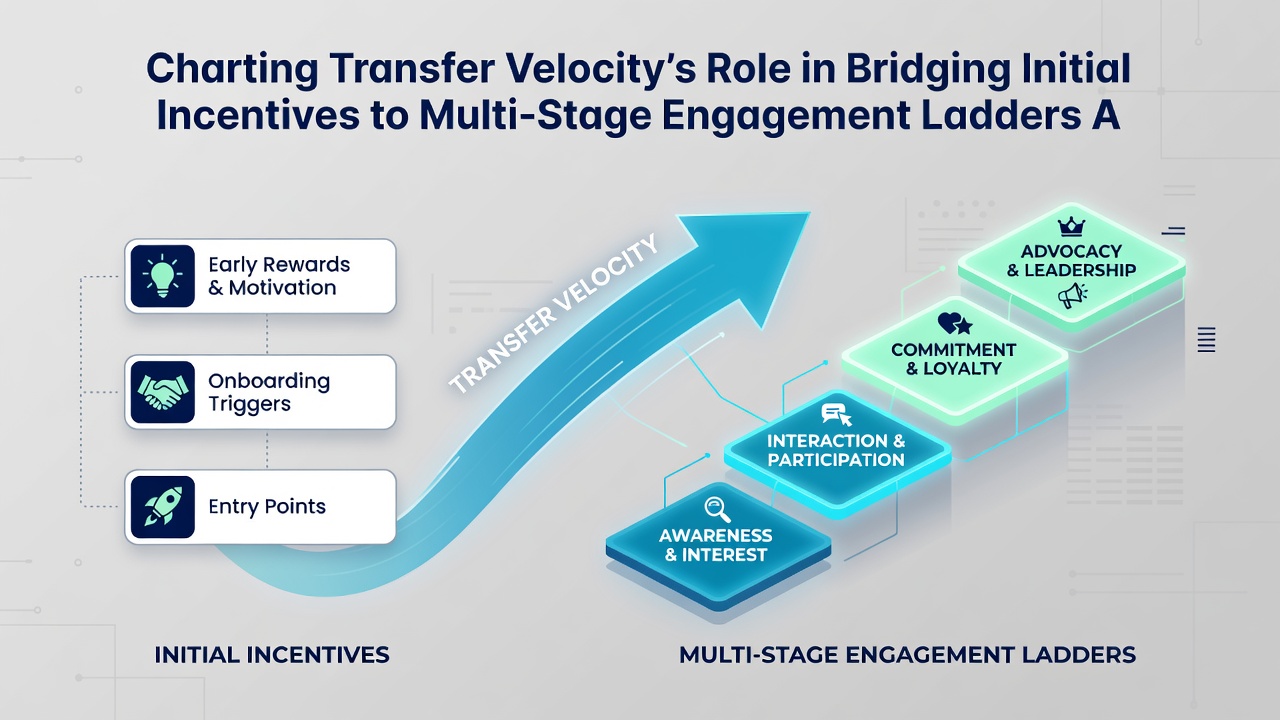
Live dealer formats demand slightly different velocity considerations because table minimums and real-time interaction create natural pause points where slow transfers can interrupt flow. Data from North American operator networks released mid-2026 shows that players who complete instant deposits during dealer sessions advance to higher loyalty tiers 28 percent more often than those facing processing lags, underscoring how velocity supports ladder progression across both reel and dealer environments.
Portable Device Considerations and Format Differences
Mobile platforms introduce additional variables such as network variability and app backgrounding, yet operators that maintain consistent transfer velocity across these conditions sustain engagement ladders more effectively. Figures released by the Canadian Centre for Gaming Research indicate that velocity-optimized mobile applications record 19 percent longer average session durations when users move between reel and dealer content without interruption from funding delays.
Reel formats on portable devices often feature shorter, repetitive cycles that benefit from immediate credit top-ups, while dealer sessions require steady fund availability to support extended table time. The same research notes that platforms synchronizing velocity metrics across both formats achieve smoother transitions, with players completing more stages of the engagement ladder before exiting.
Measurement Approaches and Industry Benchmarks
Operators track transfer velocity through timestamped transaction data, and benchmarks established in 2025-2026 position sub-two-second processing as a threshold for maintaining ladder continuity. External analyses from academic sources at the University of Nevada, Reno, confirm that velocity improvements correlate with measurable increases in multi-stage participation rates, particularly when initial incentives feed directly into subsequent dealer or VIP activities.
Geographic variations appear in the data as well, with European operators reporting stronger velocity impacts on mobile-to-dealer transitions compared with some North American markets where regulatory settlement windows differ. These patterns suggest that velocity functions as a universal enabler rather than a region-specific variable when platforms align processing infrastructure accordingly.
Conclusion
Transfer velocity serves as a measurable bridge between initial incentives and multi-stage engagement ladders in portable reel and live dealer formats, with available datasets from multiple regulatory and research bodies confirming consistent correlations between processing speed and progression rates. Continued monitoring of these metrics through 2026 and beyond provides operators with quantifiable indicators for optimizing player journeys across mobile slot and dealer environments.